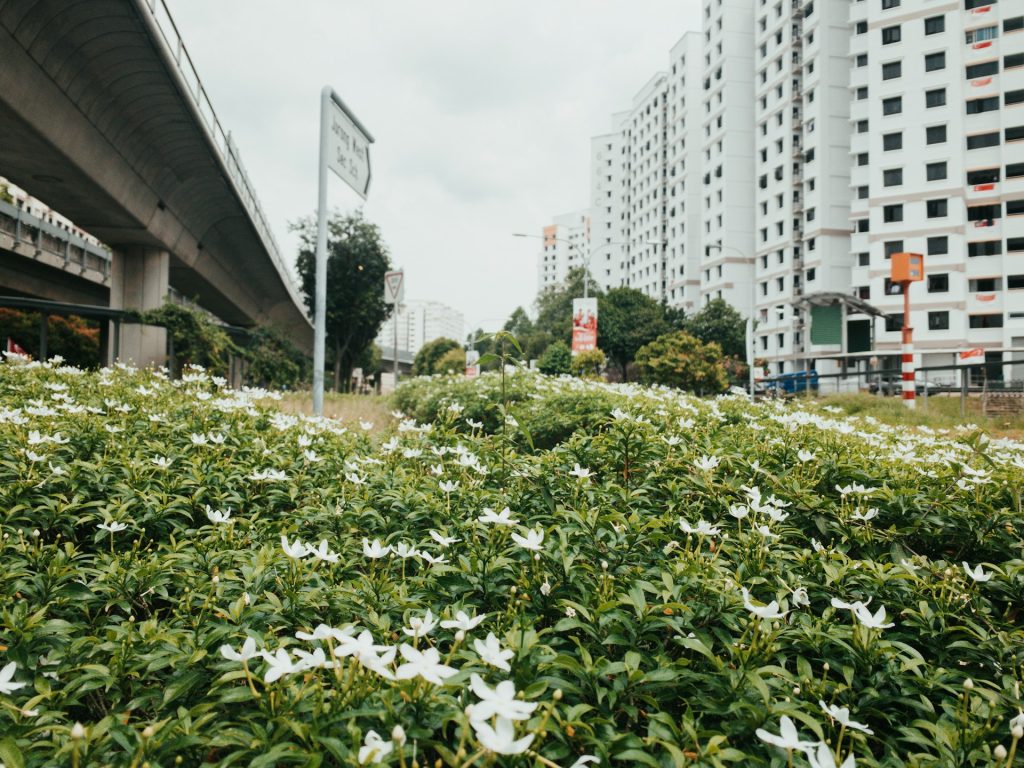
In the concrete and steel of modern cities—between sidewalks, vacant lots, and parks—there lies a quietly growing resource: free, edible plants, fruits, nuts, and fungi that are often overlooked, undervalued, or misunderstood. This phenomenon, known as urban foraging, invites us to rethink not only where our food comes from but also how we place value on nature, public space, and our own time and labor.
Far more than a novelty for adventurous weekend hikers, urban foraging is emerging as a surprising economic actor. In a time of rising food costs and growing awareness of sustainability, the practice of gleaning edible resources in cities offers real savings, social benefits, and ecological impacts. This article explores the many facets of urban foraging—its food‑security potential, its economic implications, the practicalities and ethics involved, and how the act of free food in cities challenges our assumptions about value, waste, and the food system.
Contents
What Is Urban Foraging?
Urban foraging refers to the practice of gathering edible (and sometimes medicinal) plants, fungi, nuts, fruits, and other natural resources within or adjacent to urban and peri‑urban areas. These might be public greenspaces, vacant lots, roadside verges, alleyways, or even the edges of industrial zones. What makes it distinct from traditional rural wild‑gathering is the context: city settings, fragmented ecosystems, human‑altered soils, and the overlay of municipal regulations, private property, and infrastructure. While foraging is common worldwide, in cities it carries both unique opportunities and unique constraints.
Examples of urban foraged items include wild greens (such as dandelion, nettle, or wild garlic), fruiting trees (mulberry, fig, grapevines), mushrooms (with proper identification), nuts, seeds, and edible flowers. What matters most is local knowledge: knowing what is edible, where it grows, when it’s in season, and how to harvest it responsibly. Because cities are dynamic and modified landscapes, the ecological systems are less “wild” and more hybrid, requiring adaptability and awareness.
The Economic Value of Free Food in Cities
Direct Savings for Individuals and Households
One of the most obvious economic benefits of urban foraging is simply avoiding the purchase of food items. For foragers who locate freely available edibles, the cost of those items approaches zero (excluding time and transport). Studies point out that this can contribute to supplementing diets at little cost and may carry particular value for people facing food insecurity.
For example, in one media report from New York City, urban foragers reportedly salvaged wild blackberries, mushrooms, and other edible plants from local parks and greenways in response to rising food costs. While such savings vary widely by location, season, and individual effort, the principle remains: harvesting free food reduces one’s grocery bill.
Hidden Economic Benefits: Time, Skills, and Autonomy
However, the economics of foraging goes beyond just “free food.” Foragers gain knowledge, skills, and autonomy: they learn plant identification, ecological dynamics, risk assessment (poisons, pollutants, legality). These are forms of human capital. They also reduce dependence on the conventional food supply chain, which can provide resilience in times of disruption.
There is also a non‑monetary return: foraging enriches connection with place and nature, which may reduce expenditures on other forms of recreation or entertainment. In economic terms, the “value” of a foraged plant may include health, enjoyment, education, and community connection—not just calories.
Systems Level Impacts: Food Waste, Supply Chains, and Value Re‑assignment
On a broader scale, urban foraging challenges the mainstream food economy by revealing that a portion of edible biomass in cities is unpriced, under‑utilized, or overlooked. Green spaces, street trees, and public lands often carry edible resources that are typically excluded from monetary accounting. Researchers argue that this “hidden” provisioning service of urban ecosystems should be considered in discussions of urban sustainability.
By harvesting locally available resources, some length of supply chains can be shortened—reducing transport costs, packaging, and other overheads. While not a full substitute for commercial agriculture, urban foraging suggests a complement to existing food systems and could contribute to urban resilience.
Externalities and Opportunity Costs
Of course, free food is not entirely “without cost.” Opportunity cost exists: the time spent, effort required, access conditions, potential health risks (soil contamination, pollution in urban areas), and legal uncertainties. For some urban residents, foraging may be impractical due to limited green space, physical ability, or knowledge. Researchers note that foraging often is more accessible for some populations than others.
Municipal regulations and property rights can also reduce the accessibility of foraging. Some parks and cities prohibit harvesting wild plants on public or private land, which limits the potential for free food harvesting.
Urban Foraging and Food Equity
Urban foraging intersects directly with issues of food justice, food sovereignty, and community resilience. In neighborhoods labeled as “food deserts”—areas where fresh produce is scarce or expensive—free food from local ecosystems can partially fill nutritional gaps. For communities with limited income or mobility, foraging offers an avenue of self‑help rather than relying solely on food assistance or retail.
Moreover, foraging traditions often carry cultural significance. Migrant communities may recognize edible plants from their countries of origin growing in urban spaces; foraging becomes a way of connecting with heritage and identity.
However, equity issues arise: not all neighborhoods have abundant edible green spaces; some residents may not feel safe or have the time to forage; knowledge barriers may exclude certain groups (lack of plant‑identification skills, language barriers). These disparities mean that the potential economic benefits of urban foraging are not equitably distributed. Urban policy and planning thus need to consider how foraging practices may support community food resilience.
Practicalities: How to Get Started With Urban Foraging
Identifying Edible Zones
Start by observing your local environment: street‑side fruit trees (fig, mulberry, cherry), public parks, vacant lots, community gardens, and roadside verges. Many cities have urban tree lists or edible‑landscape maps. Use caution around busy roads (pollution) or areas treated with herbicides/pesticides.
Know Your Species
Correct identification is essential. Mistakes can be dangerous (toxic plants, contaminated soils). Use reliable guides, apps, guided walks, and ideally forage with someone experienced. Over time you’ll learn seasonality (when fruits ripen, fungi emerge).
Harvest Responsibly
Only take what you need and leave plenty for wildlife or plant regeneration. Avoid protected species or areas where picking is prohibited. Consider potential contamination: avoid sites near heavy traffic or industrial zones. Clean your harvest thoroughly; some urban plants may accumulate heavier metals or pollutants.
Consider Legal and Ethical Dimensions
Foraging on some public land is regulated or forbidden. Some cities ban removing plant materials from certain parks or private property. It’s always wise to check local rules. Also consider the ethics: publicly accessible food resources may still belong to shared ecological systems. Respect other users, seasons, and the biodiversity present.
Culinary and Storage Uses
Foraged foods can be eaten fresh or preserved (freezing, drying, pickling). Use recipes that celebrate the unique flavors of wild edibles. For example, wild garlic pesto, mulberry jam, nettle soup. This adds value beyond raw calories and enhances the “economics” of your harvest.
Challenges, Risks and Limitations
Contaminated Urban Environments
Cities may have elevated levels of pollutants (lead, cadmium, vehicle exhaust) that accumulate in plants or soils. Foragers must remain cautious about the context in which plants are harvested—including proximity to roads, old industrial sites, or treated green spaces.
Regulatory & Ownership Barriers
Legal frameworks often restrict harvesting. Many urban ecosystems are managed as “museum” spaces rather than productive commons—meaning foraging is disallowed even if the plants are edible.
Ecological Risks
Over‑harvesting, removing too much biomass, damaging plants or soil structure, or encouraging invasive species are real risks. Sustainable foraging demands good practices and knowledge of local ecology.
Not a Substitute for Food Security on Its Own
While it can help supplement a diet, urban foraging typically cannot replace structured food systems. Its yields vary seasonally, sizes are often small, and access can be uneven. Researchers emphasize it as a complement to, not substitute for, other food sources.
The Unexpected Economics: Reframing Value and Waste
What makes urban foraging especially interesting is the way it reframes our assumptions about value. We usually think of food as something purchased, produced, transported, packaged, and sold. Foraging turns this on its head: food that is edible, available, and often overlooked becomes “free,” but the value lies not just in its zero‑price tag—it lies in what we save (money), what we gain (knowledge, community, health), and what we avoid (waste, excess supply chains).
In economic terms, the cost structure of foraged food is largely shifted: labor (time, knowledge) and risk (identification, legality) replace production and transport costs. This means the “price” is hidden but present. And the “profit” is what you didn’t spend or saved by not buying it.
Free food also challenges the traditional market paradigm: when edible plants grow in public spaces without being harvested, they represent lost value—or more precisely, unharvested value which could have been consumed. From a public‑policy perspective, recognising these “edible commons” may offer new dimensions in urban planning, food policy, and sustainability.
Additionally, by extracting value from what might otherwise be considered weeds or waste biomass, urban foraging aligns with circular economy principles: turning overlooked resources into nourishment, reducing food miles, packaging, and the environmental burden of food systems.
Final Reflections: Free Food, Real Value
Urban foraging might initially sound like a quirky hobby or fringe lifestyle—but peel back the layers and you discover a practice deeply tied to economics, ecology, and empowerment. In gathering edibles from within city boundaries, individuals reclaim some measure of food autonomy: reducing grocery bills, engaging with nature, building skills, and participating in a hidden economy of the commons.
The word “free” can be misleading. Foraging asks something of us—time, observation, respect for ecosystems—but in return, offers something meaningful: nourishment, connection, resilience, and value beyond price tags.
In a world where food systems are often distant, industrialized, and expensive, the idea that nourishment can come—even in part—from your local sidewalk tree or parkland patch is both hopeful and revolutionary. Whether you’re curious, eco‑minded, budget‑conscious, or simply seeking a deeper connection to your place, urban foraging invites you to look differently at what’s under your feet and around you. And in doing so, you might just discover that the economics of free food are richer than you ever realized.