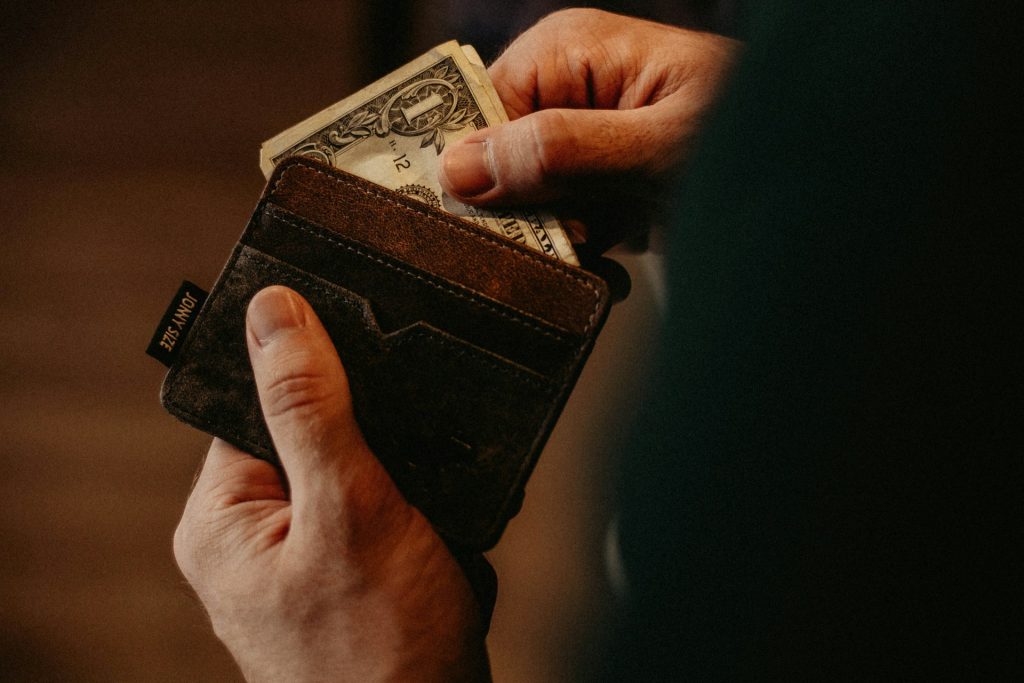
Most people approach saving money backwards. They pay their bills, spend on daily life, handle whatever comes up, and then hope there’s something left over to save. Sometimes there is. Most of the time, there isn’t. The month ends, the balance is low, and saving gets postponed again.
The “pay yourself first” method flips this entire cycle. Instead of treating savings as optional, it makes saving the priority. You save before you spend, not after. This one shift can quietly transform your financial life, even if your income stays exactly the same.
Saving money doesn’t fail because people are lazy or irresponsible. It fails because most systems rely on willpower, perfection, and constant decision-making. Pay yourself first works because it removes those weaknesses and replaces them with structure, automation, and behavioral design.
This article explores what paying yourself first really means, why it works when traditional budgeting fails, how to implement it at any income level, and how this habit builds long-term financial stability without making life feel restrictive.
Contents
- 1 What Paying Yourself First Actually Means
- 2 Why Traditional Saving Methods Fail Most People
- 3 The Behavioral Science Behind Saving First
- 4 Saving First Creates a Psychological Shift
- 5 How Much Should You Pay Yourself First?
- 6 Why Starting Small Is a Strength, Not a Weakness
- 7 Where Your Savings Should Go First
- 8 Automation: The Backbone of Paying Yourself First
- 9 Why You Don’t “Miss” the Money
- 10 Paying Yourself First Without a Detailed Budget
- 11 How This Method Works With Irregular Income
- 12 Pay Yourself First vs. “Saving What’s Left”
- 13 The Emotional Benefits of Saving First
- 14 Common Mistakes to Avoid
- 15 What If You’re Living Paycheck to Paycheck?
- 16 How This Habit Compounds Over Time
- 17 Saving as an Identity Shift
- 18 Why Paying Yourself First Builds Freedom
- 19 How to Start Today (Without Overthinking It)
- 20 Final Thoughts: Save First, Live Better
What Paying Yourself First Actually Means
Paying yourself first means setting aside money for savings the moment your income arrives, before you pay bills or spend on anything else. Savings become a non-negotiable priority, just like rent or utilities.
This doesn’t mean you ignore your obligations. It means you treat your future self as someone who deserves to be paid, not someone who gets whatever scraps remain.
Paying yourself first can include:
Emergency fund contributions
Retirement savings
Short-term savings goals
Sinking funds for predictable expenses
Investments
The defining feature isn’t what you save for. It’s when you save.
Why Traditional Saving Methods Fail Most People
Most budgets depend on perfect behavior. They assume you’ll track every expense, resist impulse spending, predict future costs accurately, and stay motivated month after month.
Real life doesn’t work that way.
Unexpected expenses appear. Stress increases spending. Social pressure creeps in. Motivation fades. When saving is optional, it’s usually the first thing sacrificed.
Paying yourself first succeeds because it eliminates choice. The decision to save is made once, not every day.
The Behavioral Science Behind Saving First
Human behavior favors defaults. We tend to stick with whatever happens automatically.
That’s why automatic bill pay works. That’s why employer retirement plans are effective. And that’s why paying yourself first is so powerful.
This method works because it:
Reduces decision fatigue
Creates artificial scarcity
Aligns with natural spending behavior
Removes emotion from saving
When savings leave your account before you see the money, your lifestyle adapts to what remains. There’s no daily negotiation, guilt, or second-guessing.
Saving First Creates a Psychological Shift
One of the most underrated benefits of paying yourself first is how it changes your mindset.
Instead of feeling like saving is something you’re failing at, you start every month with a win.
You go from:
“I hope I can save something this month”
To:
“I already saved. Everything else is flexible.”
This builds confidence, not pressure. Over time, that confidence leads to better decisions across your entire financial life.
How Much Should You Pay Yourself First?
There’s no universal number. The right amount is the one you can sustain consistently.
If you’re new to saving, start small. Very small.
$10 per paycheck
1% of income
$25 a month
People often underestimate how powerful small, consistent savings can be. The habit matters more than the amount.
Once the habit is stable, you can increase contributions gradually. This avoids burnout and makes saving feel normal rather than extreme.
Why Starting Small Is a Strength, Not a Weakness
Many people avoid saving because they think small amounts are pointless. This belief is one of the biggest obstacles to financial progress.
Small savings:
Build the habit
Strengthen identity
Create momentum
Reduce fear around money
Saving $20 a month consistently is more powerful than saving $500 once and stopping. Consistency compounds.
Where Your Savings Should Go First
Your first destination for savings should be stability, not growth.
If you don’t have an emergency fund, that’s the priority. An emergency fund protects you from debt, stress, and financial spirals.
Once you have a basic emergency fund, you can expand into:
Short-term goals
Sinking funds
Retirement contributions
Investments
Trying to save for everything at once often leads to doing nothing. Focus creates momentum.
Automation: The Backbone of Paying Yourself First
Automation is what turns this strategy from an idea into a system.
Set up automatic transfers:
From checking to savings
From paycheck to retirement
From checking to sinking funds
Schedule them for the same day your income hits your account.
When saving is automated, you don’t rely on motivation, memory, or discipline. The system does the work for you.
Why You Don’t “Miss” the Money
A common fear is that saving first will make life feel tighter or more stressful.
In reality, most people adjust quickly.
Your spending expands or contracts to match what’s available. When you never see the money you saved, it doesn’t feel like a loss.
This is why people often say, “I don’t know how, but my savings grew.”
Paying Yourself First Without a Detailed Budget
You don’t need a complex budget to save successfully.
Paying yourself first works even if you never track a category again.
Instead of controlling every dollar, you control the most important one: savings.
This approach works especially well for people who:
Dislike strict budgets
Have variable income
Feel overwhelmed by tracking
Want simplicity
Saving becomes the foundation, not the afterthought.
How This Method Works With Irregular Income
If your income fluctuates, paying yourself first still applies, but with flexibility.
Save a percentage instead of a fixed amount
Save aggressively during high-income months
Build buffers to handle low-income periods
The goal isn’t perfect consistency every month. It’s progress over time.
Pay Yourself First vs. “Saving What’s Left”
Saving what’s left relies on self-control. Paying yourself first relies on structure.
Saving what’s left says:
“Let’s see what happens.”
Paying yourself first says:
“This matters, so we plan for it.”
Structure always outperforms intention.
The Emotional Benefits of Saving First
Saving isn’t just financial. It’s emotional.
When you save consistently, you experience:
Reduced money anxiety
Less fear around emergencies
Greater sense of control
Improved decision-making
Money stops feeling fragile. Life feels more stable, even if nothing else changes.
Common Mistakes to Avoid
Saving too aggressively and burning out
Stopping savings during “tight” months entirely
Treating savings as optional
Failing to increase savings when income rises
Raiding savings for non-emergencies
Saving should be firm but flexible. Rigid systems break. Adaptive systems last.
What If You’re Living Paycheck to Paycheck?
Paying yourself first still matters, even when money is tight.
Start with symbolic savings:
$1 a day
$5 per paycheck
Round-ups
This isn’t about the amount. It’s about reinforcing the behavior and identity of someone who saves.
Even small savings prevent learned helplessness and build confidence.
How This Habit Compounds Over Time
Over years, paying yourself first creates powerful outcomes:
Emergency resilience
Lower reliance on credit
Increased net worth
Greater freedom
Lower stress
Most people don’t fail financially because of one big mistake. They fail because small decisions compound in the wrong direction.
This habit flips that compounding effect.
Saving as an Identity Shift
Eventually, something subtle changes.
You stop thinking of yourself as “someone trying to save.”
You become “someone who saves.”
This identity shift influences decisions automatically. You plan ahead. You pause before spending. You think long-term without forcing it.
Saving stops being a struggle and starts being normal.
Why Paying Yourself First Builds Freedom
Saving money isn’t about hoarding cash. It’s about buying flexibility.
Savings give you options:
To handle emergencies
To leave bad situations
To take opportunities
To breathe
Freedom doesn’t come from income alone. It comes from what you keep.
How to Start Today (Without Overthinking It)
You don’t need a perfect plan.
Choose a small amount
Choose one account
Set one automatic transfer
That’s it.
You can refine later. Starting matters more than optimizing.
Final Thoughts: Save First, Live Better
Paying yourself first isn’t a trick or a challenge. It’s a structural advantage.
It works because it respects human behavior, removes friction, and builds momentum quietly.
You don’t need extreme discipline.
You don’t need a massive income.
You don’t need a perfect budget.
You need one habit, applied consistently.
Save first.
Live on the rest.
Repeat.
That’s how saving money stops feeling hard—and starts feeling inevitable.